
Japanese Christian and Church Phrases Every Missionary Should Know
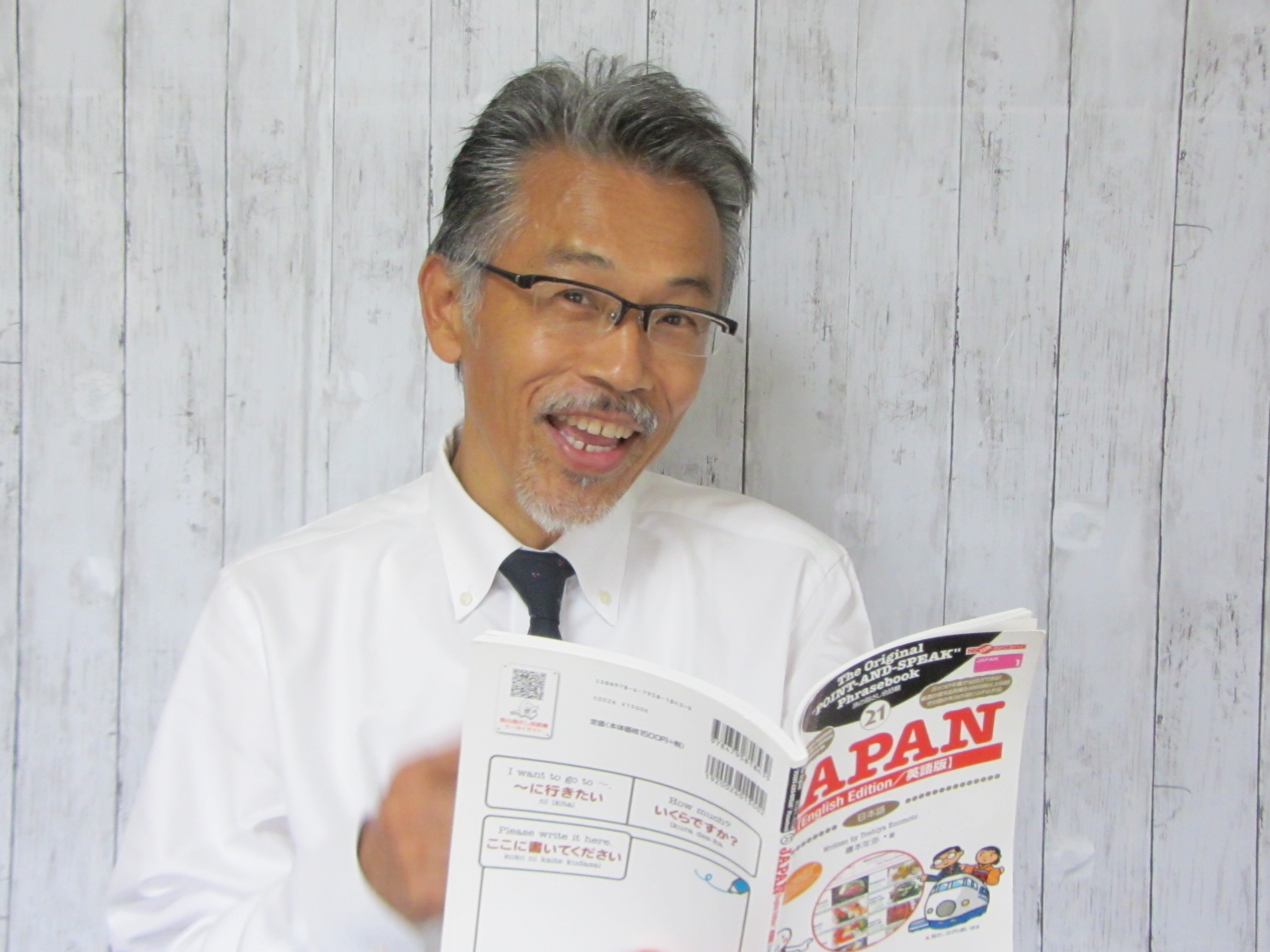

Most missionaries show up in Japan knowing basic Japanese, but the moment they step into a church, they're lost. The words used in a Japanese service barely overlap with everyday conversation.
We'll walk through exactly why that is, and how to use the vocabulary resources below to actually get prepared.
Why Christian Vocabulary Is Different in Japanese
Japanese Christian terms don't come from English. Most of them are built from Chinese characters, called kanji, that carry deep meaning baked into the characters themselves. A word like 救い主(すくいぬし), which means "the Savior," is made up of the kanji for "rescue" and "master." Once you understand that, the word sticks.
This is very different from, say, Spanish, where Christian vocabulary often sounds familiar to English speakers. In Japanese, almost none of it will.
Here's the other thing: Christians make up roughly 1% of Japan's population, which means most Japanese people have never heard these words in daily life either. So when you use them, you're not just learning a language, you're introducing an entirely new vocabulary to people who've likely never encountered it. That's why getting this right matters so much.
The Two Things You'll See Next to Every Word
If you look at the vocabulary lists below, you'll notice each word has two parts. For example:
神(かみ) = God
The first part, 神, is the kanji. The second part, かみ, is in parentheses and shows you how to pronounce it. This is called furigana, and it's basically a pronunciation guide written in a simpler alphabet called hiragana.
I remember staring at 聖霊(せいれい)for the first time and having no idea where to even start. But once I saw the furigana, I could at least say the word out loud, and that's the starting point. You don't need to know how to write the kanji to begin using these words in conversation.
So when you study, read the furigana and say the word out loud. The kanji will come with time.
According to Wikipedia's page on the Japanese writing system, Japanese uses a combination of kanji, hiragana, and katakana, and furigana is commonly used in religious texts, children's books, and learning materials to make reading accessible. That's exactly what you're seeing in these lists.
The 6 Categories Below (and Why Each One Matters)
The vocabulary on this page is broken into six groups. Here's a quick guide to what each one covers and which situations you'll actually use them in.
1. Biblical Persons and Creatures
This is your foundation. These are the names and roles that come up in almost every conversation about faith.
Japanese | Furigana | English |
神 | かみ | God |
御父 | みちち | the Father |
イエス・キリスト | Jesus Christ | |
御子 | みこ | the Son |
救い主 | すくいぬし | the Savior |
聖霊 | せいれい | Holy Spirit |
天使 | てんし | Angels |
悪魔 | あくま | Satan |
弟子 | でし | Disciple |
使徒 | しと | Apostle |
信徒 | しんと | Believer |
預言者 | よげんしゃ | Prophet |
Start here. These words come up constantly, whether you're reading a Bible passage, sitting in a service, or having a one-on-one conversation about faith.
2. Old and New Testament Words
These cover the core events and concepts from both testaments. They matter for Bible studies and for understanding sermons.
Old Testament key words:
Japanese | Furigana | English |
旧約聖書 | きゅうやくせいしょ | Old Testament |
創造主 | そうぞうぬし | the Creator |
律法 | りっぽう | The Law |
十戒 | じっかい | The Ten Commandments |
安息日 | あんそくにち | Sabbath |
罪 | つみ | Sin |
祝福 | しゅくふく | Blessing |
裁き | さばき | Judgment |
New Testament key words:
Japanese | Furigana | English |
新約聖書 | しんやくせいしょ | New Testament |
十字架 | じゅうじか | the Cross |
よみがえり | よみがえり | Resurrection |
洗礼 | せんれい | Baptism |
伝道 | でんどう | Evangelism |
証 | あかし | Testimony |
天国 | てんごく | Heaven |
地獄 | じごく | Hell |
福音書 | ふくいんしょ | The Gospel Books |
3. Church Positions
Walk into any Japanese church and you'll hear these titles right away. Knowing them helps you understand who's who and show respect properly.
Japanese | Furigana | English |
牧師 | ぼくし | Pastor |
主任牧師 | しょにんぼくし | Senior Pastor |
宣教師 | せんきょうし | Missionary |
長老 | ちょうろう | Elders |
執事 | しつじ | Deacons |
神学生 | しんがくせい | Theology student |
兄弟・姉妹 | きょうだい・しまい | Brothers & Sisters |
教会員 | きょうかいいん | Church member |
People in Facebook groups for missionaries in Japan often mention that not knowing these titles early on made introductions awkward. It's a small thing, but it makes a real difference in how you're received.
4. Church Bulletin Words
These are the words you'll see every single Sunday on the printed bulletin. If you learn nothing else before your first service, learn these.
Japanese | Furigana | English |
週報 | しゅうほう | Weekly Bulletin |
礼拝 | れいはい | Worship / Service |
聖書 | せいしょ | Bible |
賛美 | さんび | Praise |
聖歌 | せいか | Hymns |
祈り | いのり | Prayer |
説教 | せっきょう | Sermon |
献金 | けんきん | Offering |
聖餐 | せいさん | Holy Communion |
日曜学校 | にちようがっこう | Sunday School |
聖書勉強会 | せいしょべんきょうかい | Bible Study |
5. Doctrinal Words
These are the deeper theological terms. You'll need them for serious conversations about faith and for teaching.
Japanese | Furigana | English |
救い | すくい | Salvation |
信仰 | しんこう | Faith |
恵み | めぐみ | Grace |
悔い改め | くいあらため | Repentance |
赦し | ゆるし | Forgiveness |
三位一体 | さんみいったい | the Trinity |
贖い | あがない | Atonement |
永遠のいのち | えいえんのいのち | Eternal Life |
義認 | ぎにん | Justification |
復活 | ふっかつ | Resurrection |
罪 | つみ | Sin |
Don't rush to memorize all of these at once. People say it's more useful to pick 5 to 10 that relate to what you're currently studying or teaching, and build from there.
How to Actually Study This Vocabulary
Here's the thing, the list below is long. And trying to memorize all of it at once won't work.
A better approach:
Step 1: Pick the category most relevant to where you are right now. If you're heading to Japan soon and will be attending church, start with the bulletin words. If you're in language study mode, start with Biblical persons.
Step 2: Say each word out loud using the furigana. Don't worry about the kanji yet.
Step 3: Write the words you're learning on flash cards or use an app like Anki. People in online missionary communities say Anki is one of the most effective tools for this kind of vocabulary because it spaces out your review automatically.
Step 4: Try using the words in a simple sentence as soon as possible, even just to yourself.
Reddit communities like r/LearnJapanese and missionary Facebook groups have mentioned that the biggest mistake beginners make is treating vocabulary as something to memorize instead of something to use. Even one word used in real conversation sticks better than ten words studied but never spoken.
For a broader look at Christianity in Japan and its history, Wikipedia has a solid overview that can give you cultural context for why some of these words carry the weight they do.
FAQ
Do Japanese Christians use kanji or katakana for Christian words?
Both, depending on the word. Biblical names like イエス・キリスト (Jesus Christ) use katakana because they're foreign names. But most theological and doctrinal words, like 信仰 (faith) or 恵み (grace), are written in kanji. The lists below include both, with furigana to help you read them.
Is Christian vocabulary the same across all denominations in Japan?
Mostly yes for the core terms. Words like 聖霊 (Holy Spirit), 救い (salvation), and 礼拝 (worship/service) are used across Protestant, Catholic, and other denominations. Some terms vary slightly, but the vocabulary on this page is broadly used and recognized.
How long does it take to learn enough Christian Japanese for a basic conversation?
People say that with consistent study, a few months of focused vocabulary work can get you to a functional level for church settings. That said, Japanese is one of the harder languages for English speakers, so don't put pressure on a timeline. Progress is progress.
What's the most important category to start with?
If you're already in Japan or heading there soon, start with the church bulletin words and biblical persons. Those two categories will cover most of what you'll encounter in a Sunday service. The doctrinal words can come later as your language skills grow.


Comments