
The 20 Most Essential Japanese Phrases for Your Mission Trip
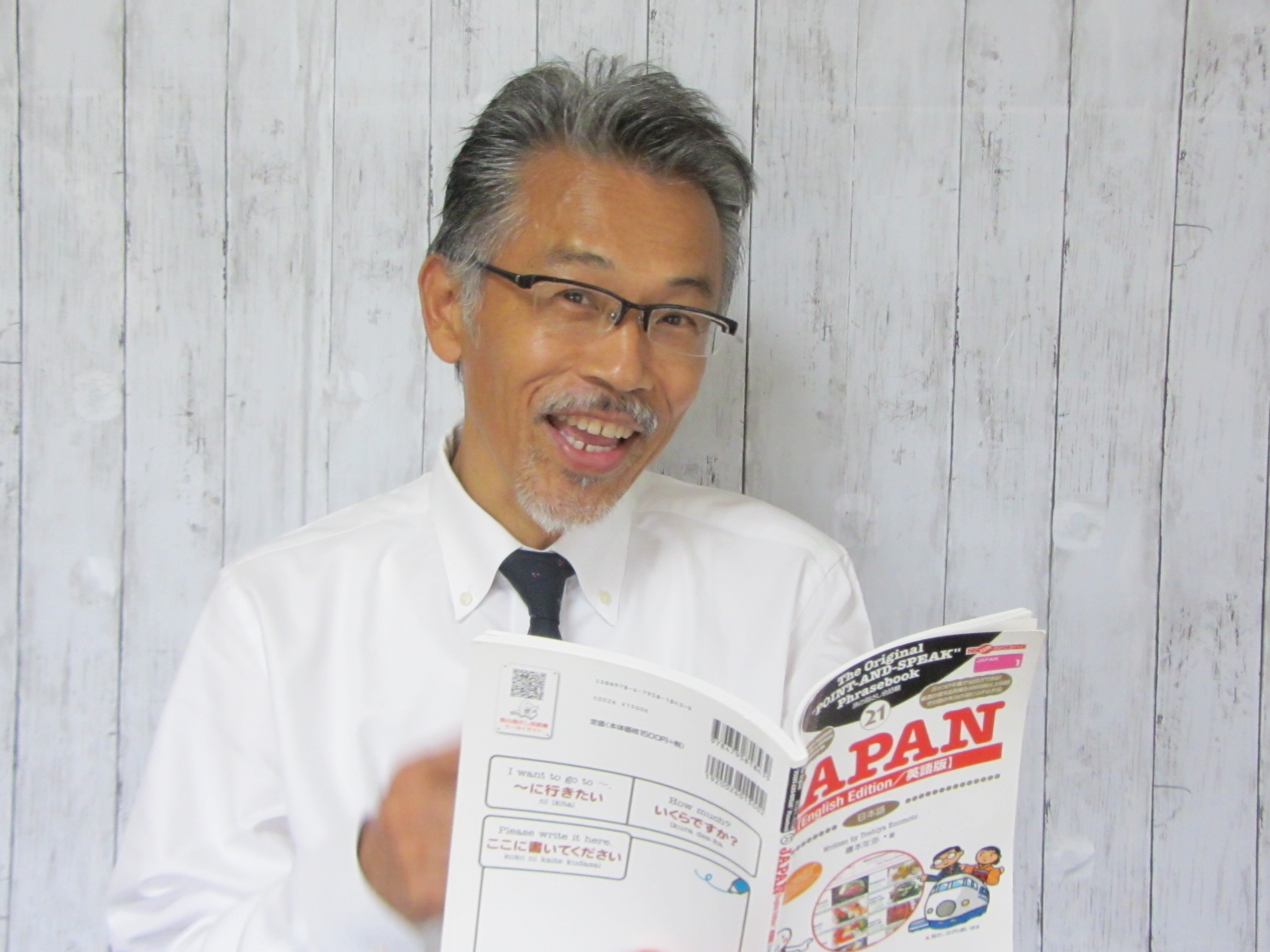

Less than 1% of Japan's population identifies as Christian. That means most people you'll meet have never had a real conversation about faith, and the last thing you want is a language barrier getting in the way.
We'll cover exactly what phrases you need, split into everyday survival phrases and ministry-specific ones most guides never mention.
Why Bother Learning Any Japanese?
Here's the thing, you don't need to be fluent. Not even close. But showing up with zero Japanese on a mission trip is a missed opportunity.
Japan is a relationship-first culture. Effort is noticed. A mispronounced "arigatou" still beats blank silence, every time. I've been on trips where not knowing even five words made early interactions stiff and awkward. A little preparation goes a long way.
And it's not just politeness. Many mission trips go beyond Tokyo and Osaka into smaller cities and rural communities where English is far less common. The phrases below will help you function, connect, and minister without being completely dependent on a translator.
Part 1: Everyday Phrases You'll Use Constantly
These 10 phrases cover getting around, basic communication, and staying out of trouble.
1. Sumimasen (soo-mee-mah-sen) "Excuse me / Sorry"
Your most useful phrase, period. Use it to get someone's attention, apologize for bumping into someone, or thank someone for a small favor. Think of it as a Swiss Army knife word.
2. Arigatou gozaimasu (ah-ree-gah-toh goh-zai-mas) "Thank you (formal)"
Always use the formal version. It works in every situation and shows respect. You'll say this constantly.
3. Hai / Iie (hai / ee-eh) "Yes / No"
Simple, but worth knowing. One cultural note: people say that Japanese speakers often avoid a direct "no" in conversation, so don't be surprised if "iie" comes out softly or indirectly.
4. Wakarimasen (wah-kah-ree-mah-sen) "I don't understand"
You'll need this one often. Say it calmly, not in a panic. Most people will slow down or try to help.
5. Eigo ga hanasemasu ka? (eh-go gah hah-nah-seh-mas kah) "Can you speak English?"
A respectful way to ask. Don't assume. Even if someone studied English in school, they may be hesitant to speak it.
6. ~wa doko desu ka? (wah doh-koh des kah) "Where is ~?"
Fill in the blank with whatever you're looking for. "Eki wa doko desu ka?" means "Where is the train station?" Incredibly useful for navigating.
7. Onegaishimasu (oh-neh-gai-shee-mas) "Please"
Use this when ordering food, making a request, or asking for help. It softens everything and comes across as genuinely polite.
8. Daijoubu desu (dai-joh-boo des) "I'm okay / It's fine"
People will check on you, offer things, or ask if you need help. This is your easy, reassuring response. Also works when someone apologizes to you.
9. Ikura desu ka? (ee-koo-rah des kah) "How much is it?"
Useful at markets, small shops, and anywhere without a clear price tag. Worth knowing even if you mostly pay by pointing and nodding.
10. Tasukete kudasai (tah-soo-keh-teh koo-dah-sai) "Please help me"
Hopefully you won't need this one. But in a real emergency, knowing it matters. Say it clearly and people will respond.
Part 2: Ministry Phrases You Actually Need
Most phrase guides skip these. But if you're on a mission trip, this is where the real value is.
11. Watashi wa Kirisutokyosha desu (wah-tah-shee wah kee-ree-soo-toh-kyoh-sha des) "I am a Christian"
A simple, clear introduction to who you are and why you're there. Don't lead with it aggressively, but it's a natural phrase when someone asks about you.
12. Kirisuto (kee-ree-soo-toh) "Christ"
The Japanese adaptation of the Portuguese word "Cristo." You'll hear this in church, in conversations, and in the word for Christianity itself.
13. Kami (kah-mee) "God"
One important heads-up here. "Kami" is also used in Shinto religion to refer to spirits or gods. Context matters. In a Christian ministry setting it's understood, but be aware of the cultural weight behind the word. Wikipedia's article on Christianity in Japan gives good background on why this kind of cultural nuance matters so much in ministry there.
14. Ai (ah-ee) "Love"
Short, simple, and one of the most powerful words you can know. "Kami no ai" means "God's love." You don't need a full sentence sometimes.
15. Inori (ee-noh-ree) "Prayer"
You'll hear this in church services and use it when asking if you can pray with or for someone.
16. Fukuin (foo-koo-een) "The Gospel / Good News"
This is the word used in Japanese Christian communities for the Gospel. Knowing it helps you understand what's being said around you and signals to local believers that you're serious about your faith.
17. Kyokai wa doko desu ka? (kyoh-kai wah doh-koh des kah) "Where is the church?"
Practical and ministry-specific. Useful when navigating to a partner church or connecting with local Christians in a new area.
18. Kansha shimasu (kahn-sha shee-mas) "I am grateful / I give thanks"
Goes beyond a simple "thank you." In a ministry context it carries a sense of heartfelt gratitude, which resonates well in Japanese culture.
19. Issho ni inorimashou (ees-shoh nee ee-noh-ree-mah-shoh) "Let's pray together"
One of the most connecting phrases you can offer. Even across a language barrier, this gesture lands.
20. Kamisama wa anata wo aishiteimasu (kah-mee-sah-mah wah ah-nah-tah woh ah-ee-shee-teh-ee-mas) "God loves you"
It's a longer phrase, so practice it. But this is the one that matters most. Say it slowly, with eye contact, and mean it.
A Note on Cultural Respect and Preparing Well
Japan is not a cold country, but it is a reserved one. Silence in conversation is not awkward there, it's respectful. Don't rush to fill every quiet moment. Bow slightly when greeting people. And understand that ministry in Japan is almost always slow and relational. Reddit communities focused on Japan missions have noted that the biggest shift for Western missionaries is learning to plant seeds without expecting quick results.
OMF Japan, one of the most established mission organizations serving Japan, puts it plainly: patience and long-term relationship building are what move the needle there.
Beyond language, preparation also means thinking about your presence online. Japanese contacts, local pastors, and partner churches will often look you up before they meet you in person. If you're serving independently or with a small team, it's worth having something simple online. This guide on the best ways for missionaries to get a website built is a good starting point if you don't have one yet.
FAQ
Do I need to be fluent in Japanese for a short-term mission trip?
No. Most short-term teams work with a local interpreter or partner church. But knowing even 10-15 phrases shows respect and helps you connect on a personal level outside of formal ministry settings.
What if I mispronounce a word?
People say Japanese speakers are generally patient and appreciative when foreigners try. A mispronounced word with good intent lands better than no attempt at all. Don't overthink it.
Is there an app to help me practice these phrases before I go?
Duolingo covers basics, but for pronunciation specifically, apps like Pimsleur or even YouTube channels focused on Japanese for beginners are useful. Reddit's r/LearnJapanese also has good beginner resources pinned in their community.
What's the hardest part of ministry in Japan for English speakers?
Most people say it's the pace. Japan's culture values trust built over time, not quick conversations. Many missionaries describe years of relationship-building before seeing real fruit. Going in with that expectation makes a big difference.


Comments